

Golf Academies
Interview with Sophie Rousseau: Ten Years of Mental Performance Coaching at Barcelona Golf Academy
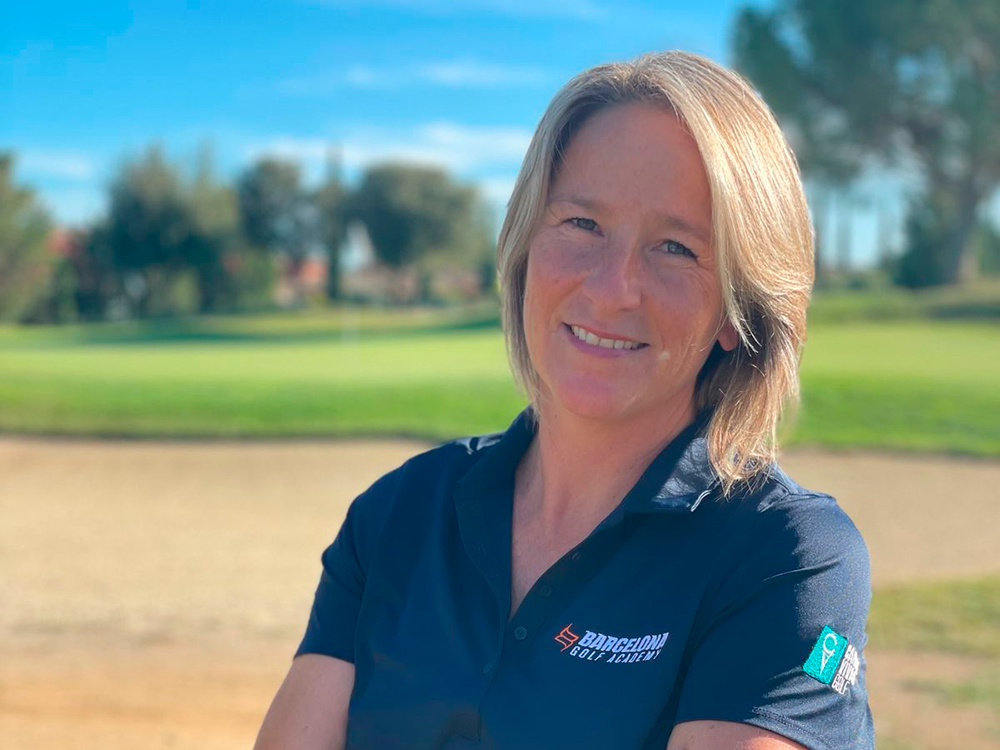
Sophie Rousseau
-
The sports psychology specialist celebrates a decade of working with Carlos Vivas and Barcelona Golf Academy, in Spain, helping to establish mental performance coaching as one of the fundamental pillars of a golfer’s all-round development.
-
A journey shaped by the evolution of her methodology, individualised support and the guidance of young players on their path towards high performance.
November 19, 2026 – Developing a golfer involves much more than technique, strategy and physical preparation. The ability to manage emotions, maintain concentration, deal with mistakes and make decisions under pressure is also crucial to making progress in the game. This is a philosophy that Barcelona Golf Academy (BGA) incorporated into its coaching model more than a decade ago, following Carlos Vivas’s decision to integrate sports psychology into the Elite Programme across his projects.
The person chosen to lead this area was Sophie Rousseau, a coach specialising in sports psychology and high performance, who in 2026 celebrates ten years working with the academy’s students through its programmes at Club de Golf Barcelona.
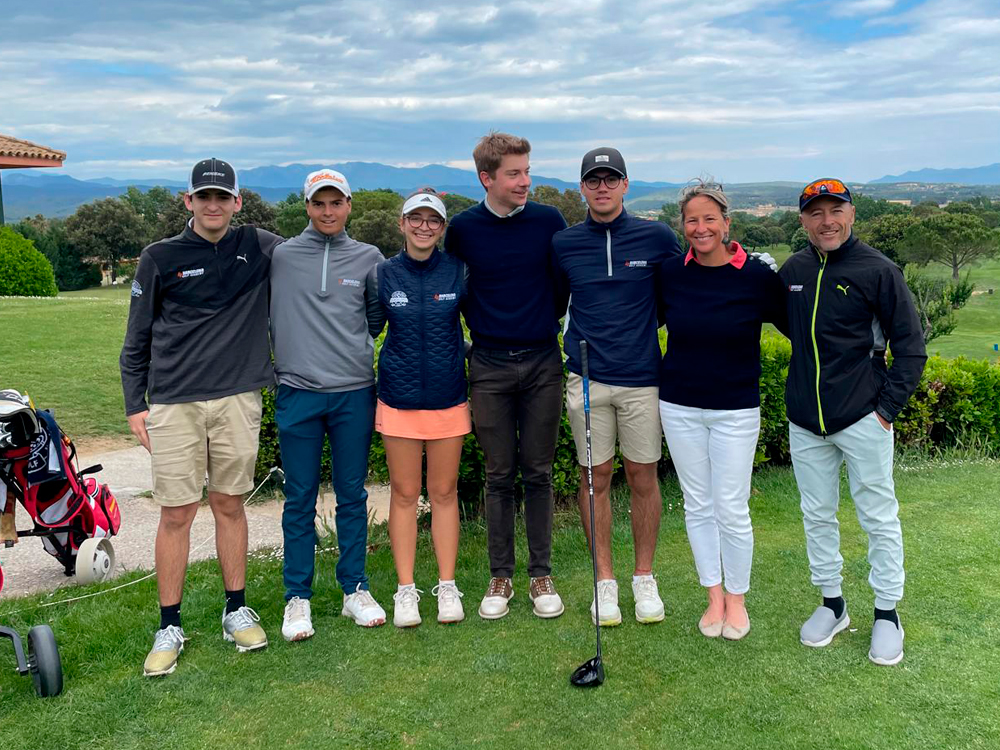
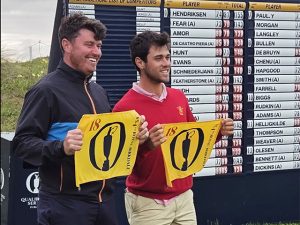
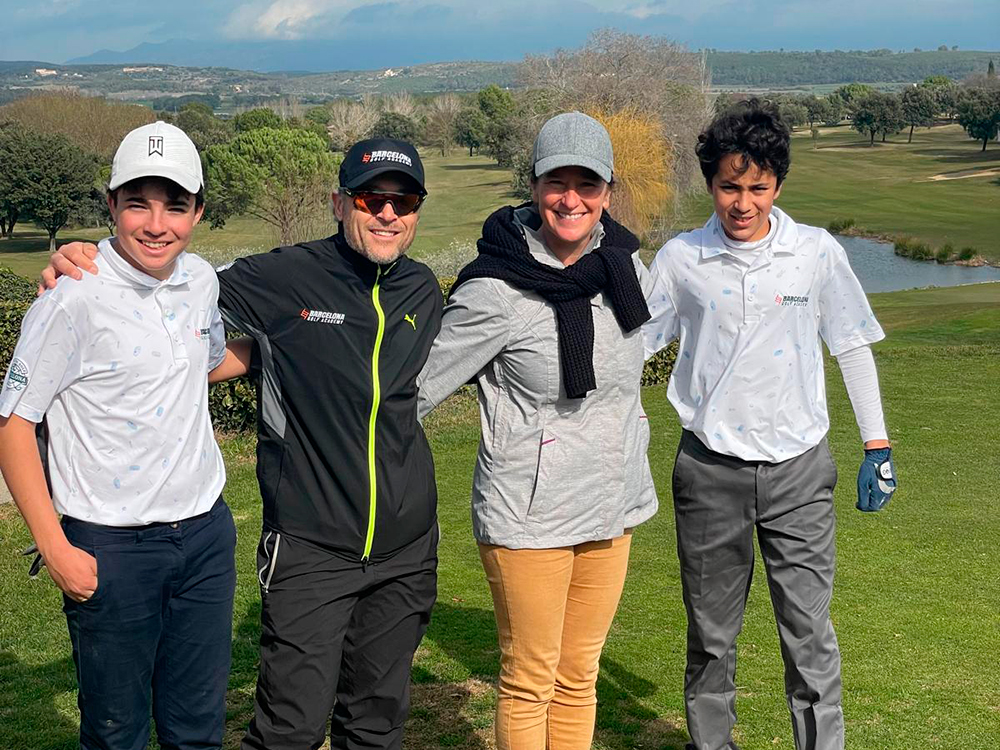
Sophie, with Carlos Vivas and some pupils from the Barcelona Golf Academy.
A decade later, what was initially a pioneering initiative has become an established part of BGA’s coaching structure. “Indeed, it means that Carlos Vivas made a pioneering decision in this field at the time. Ten years ago, sports psychology was barely talked about. Now, at last, people know what it is all about,” explains Sophie Rousseau.
For her, the continuity of the project is also proof that the initiative went far beyond a one-off promotional exercise. “It was not a marketing stunt on Carlos’s part, but a long-term discipline. If we have been involved in this field for ten years, with more and more people benefiting from it, that demonstrates its strength and effectiveness, and shows that it is a fundamental pillar of performance.”
Over this period, around a hundred players from the Elite Programme have taken part in her sessions, based on an average of approximately twelve students per year. This reflects the reach of a programme delivered through one group session and one individual session each month, meaning that Barcelona Golf Academyplayers work with her every fortnight.
She also works in four languages (Spanish, Catalan, English and French), which is a major advantage for the academy, where students come from a wide range of nationalities, including Irish, German, Chinese and Russian, as well as Spanish.
From explaining sports psychology to developing mental skills
Sophie Rousseau’s work has also evolved considerably since her early years at the academy. Initially, much of her role involved explaining to young golfers what sports psychology was, what it could offer them and why it needed to be part of their preparation, alongside the other pillars of performance: technical, tactical and physical.
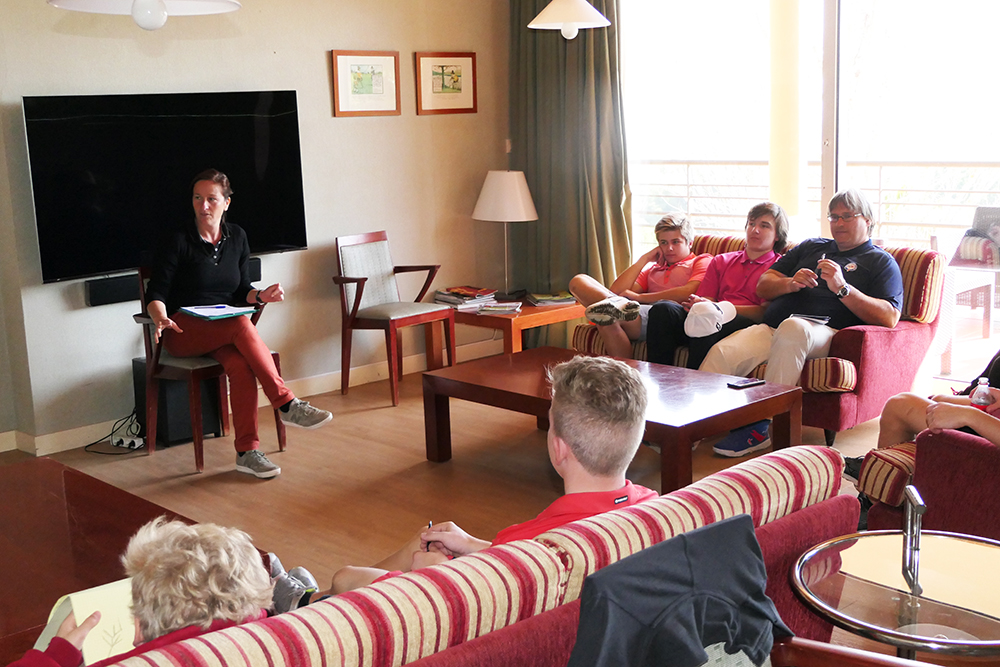
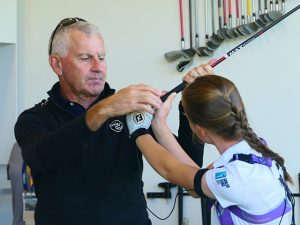
A mental coaching session from the academy at the Club de Golf Barcelona.
“At the beginning, I had to explain what the mental coaching sessions were and what they were for, and define the concepts, because the students really knew very little about the subject. They did not even realise that it was a pillar of performance or that it complemented the rest of their training,” she recalls.
Over the years, this more educational phase has gradually made way for mental training itself. “They understand it now, and my work has evolved towards developing their skills. Previously, the training element was less significant because I first had to devote time to educating and teaching them. The biggest change is that now, at Barcelona Golf Academy, we can genuinely say that my work is focused on mental performance coaching.”
Her methodology combines group work with individual attention. Group workshops allow players to share experiences, identify common challenges and understand that certain situations are part of every golfer’s experience. Individual sessions, meanwhile, make it possible to tailor the content to each student’s needs and assess how they put what they have learnt into practice on the course.
“The key strength is the individualised support each player receives. The one-to-one sessions allow me to reinforce the practical application of what they learn. It is a personal follow-up process based on what I call ‘training and putting it into practice on the course’,” explains Sophie Rousseau.
The ultimate aim is not simply for players to acquire tools to manage nerves, concentration or mistakes, but to enable them to incorporate these skills into their own game and use them independently.
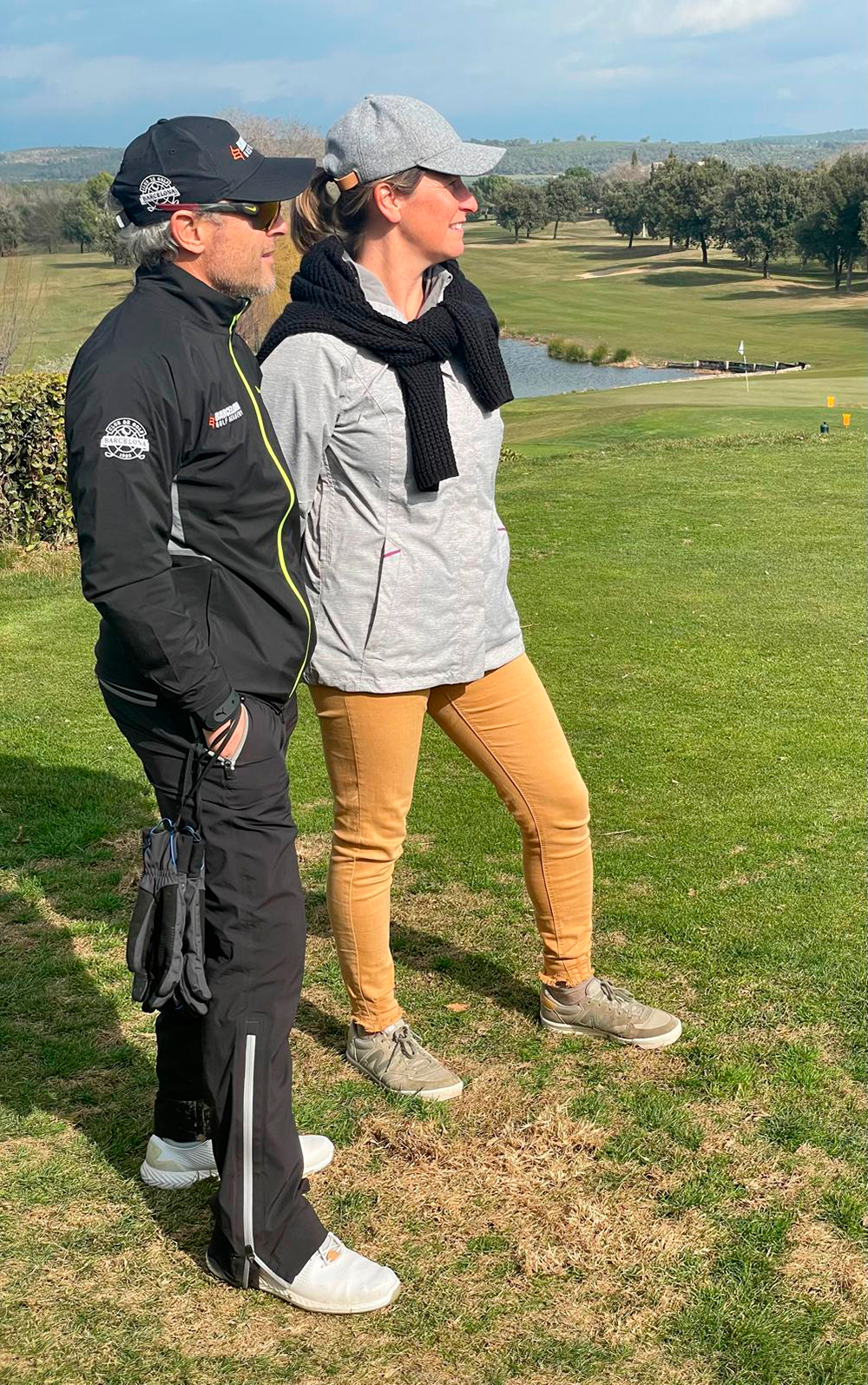
Carlos Vivas and Sophie Rousseau keep a close eye on the progress of their players.
Learning to play for themselves, regardless of age or ability
For Sophie, one of the greatest achievements of mental performance coaching comes when a player learns to take responsibility for their own golf. In other words, when they stop playing under the influence of their parents’ expectations, the scrutiny of spectators or fear of what others might say, and begin making their own decisions with confidence and self-awareness.
“For me, the most important thing is when they start playing for themselves. They are not playing for their parents, for the spectators or worrying about what other people might think. When they take ownership of their own golf, they become self-accountable and proactive about the areas they need to improve,” she adds.
This sporting maturity is not necessarily linked to age or playing ability. Nor is it exclusive to those aspiring to become professionals. What really matters is that each golfer understands their own needs and learns to make the most of the tools they receive during their sessions.
“When they develop a fairly high level of self-belief and self-awareness, the work becomes completely tailored to their needs. And this is not a question of age. For me, a good golfer in my field is someone who knows how to get the maximum benefit from what I give them and adapt it to their own way of doing things and their individual needs.”
This philosophy is reflected in the three different player profiles within Barcelona Golf Academy’s Elite Programme. Although they all receive mental training, the content and level of support are adapted to their individual goals and circumstances.
The youngest and beginner players focus particularly on the educational side, acquiring knowledge and tools to help them deal with competition. Intermediate players, who already have a good standard of golf but do not necessarily aspire to make a professional career out of it, receive guidance on managing tension, concentration and other situations they may encounter during a round.
For elite players with professional ambitions, the support is much more personalised.
Family involvement is also part of this process. Sophie believes it is essential for parents to understand how mental performance coaching contributes to their children’s development and how they can support them without adding pressure. For this reason, she organises an annual talk for parents, explaining the objectives and approach of her work.
Elite players with professional aspirations receive more personalized attention.
The pride of supporting players on their journey into professional golf
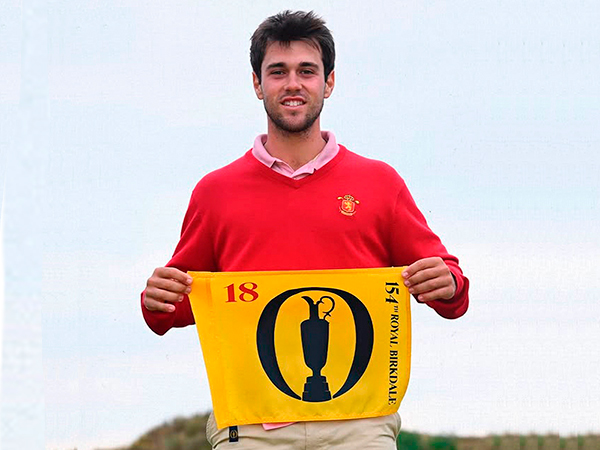
Looking back over these ten years, one of the aspects that gives her the greatest satisfaction is seeing how some of the players who attended her sessions have gone on to reach the professional game. The most recent example is Alejandro de Castro, who has earned his place on the HotelPlanner Tour, illustrating the development of young talents she has been able to support from their early stages.
“What makes me most proud is seeing that some of those players in whom you could already see potential have gone on to achieve what they have, and that they personally acknowledge that all the work we did together at the time has helped them and that they are grateful for it. That makes me incredibly happy,” she says.
The relationship with some players does not end when they leave the academy. Sophie continues to provide individual support to golfers who have progressed to competing at the highest level, particularly students who have secured golf scholarships at universities in the United States.
In the latter case, mental support becomes especially important because of the changes involved in moving to another country, adapting to a new academic and sporting environment and facing a completely different stage of life. “Once they are there, they need to change their surroundings, their lives, everything, and it really helps them to have someone supporting them who already knows them,” she explains.
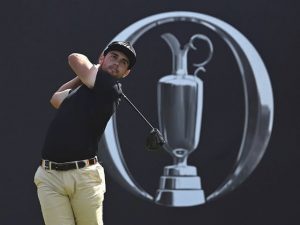
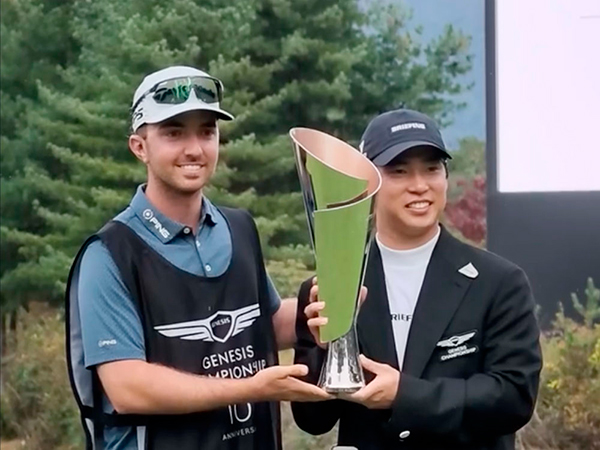
Messages of appreciation from former students are not in short supply, including those from Alejandro de Castro, who recently gained access to the HotelPlanner Tour through the amateur route, having previously played in The Open; and Erik Shukhart, caddie to Japan’s Yuto Katsuragawa, recent winner of the Genesis Championship on the DP World Tour.
Alejandro de Castro
“The mental side plays a fundamental role in golf. To develop my skills, I have had to understand myself. Thanks to Sophie, I have been able to build up a set of tools to manage many aspects of the mental game and, as a result, take my game to the next level,” said Alex de Castro.
Erik Shukart
“It has been incredible. I still cannot quite take in what has happened. Thank you very much for supporting me throughout this journey since I was little,” said Erik Shukhart.
The next generations, with a more refined approach to mental coaching
Looking ahead, Sophie Rousseau wants to continue exploring scientific advances relating to sporting performance. She dedicates her professional life to supporting athletes while also teaching at university, a role that enables her to keep up to date with new research, particularly in the field of neuroscience, and incorporate these developments into her coaching programmes.
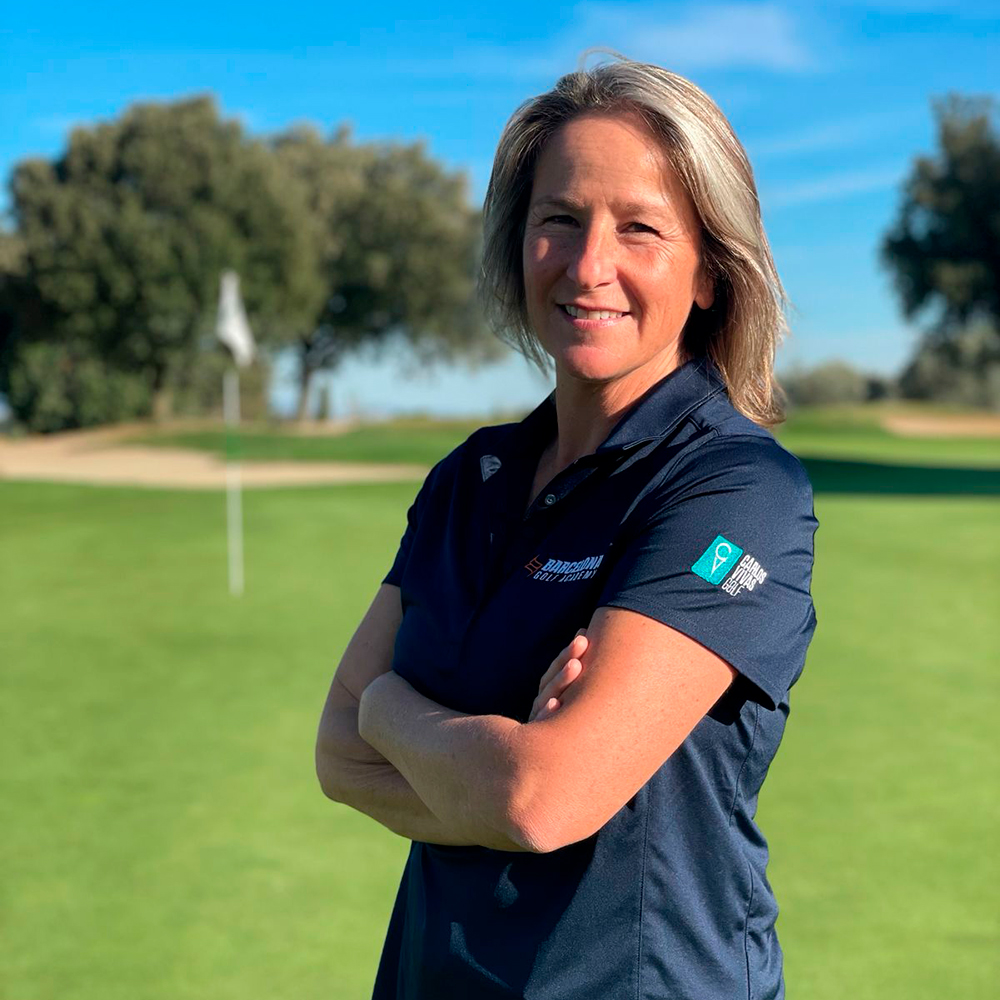
Sophie Rousseau
“What motivates me most is keeping up to date with research and new developments in this field, especially neuroscience and everything that is emerging, and applying it to the ideal programme for each level. We practically have it in place already, but we can fine-tune it a little more every year.”
Ten years after Carlos Vivas first made that pioneering decision, sports psychology has become part of the coaching identity of Barcelona Golf Academy. A partnership that has strengthened the all-round development of its students, from their first steps in competition through to their transition into professional golf. And, as Sophie Rousseau herself acknowledges, there is still plenty more to come: “I hope it will be another ten years,” she concludes.
By MIGUEL ANGEL BUIL5 FAQs about Sophie Rousseau
1) Who is Sophie Rousseau and what is her role at Barcelona Golf Academy?
Sophie Rousseau is a coach specialising in sports psychology and high performance. In 2026, she celebrates ten years working with Carlos Vivas at Barcelona Golf Academy, where she delivers mental performance training to students on the Elite Programme, combining group and individual sessions.
2) Why is mental performance coaching important in the development of young golfers?
Mental performance coaching is one of the four pillars of sporting performance, alongside technical, tactical and physical preparation. It helps young golfers manage their emotions, control their nerves, improve concentration, deal with mistakes and make decisions with confidence during competition.
3) How is mental performance training delivered at Barcelona Golf Academy?
Sophie Rousseau combines one group session per month with one individual session. Group workshops allow golfers to share experiences and challenges, while personalised support helps each player develop their mental skills and put the tools they have learnt into practice directly on the course.
4) Which golfers can benefit from Barcelona Golf Academy’s mental coaching programme?
Mental training is available to all three player groups within the Elite Programme: beginner players, intermediate-level golfers and those with professional ambitions. The methodology is adapted to the needs of each group, regardless of age or playing ability.
5) Does Sophie Rousseau continue to work with golfers after they leave Barcelona Golf Academy?
Yes. Sophie Rousseau continues to support former students who progress into professional golf, as well as players who secure golf scholarships at universities in the United States. This ongoing support helps them manage the personal, academic and sporting changes involved in these new stages of their careers.